
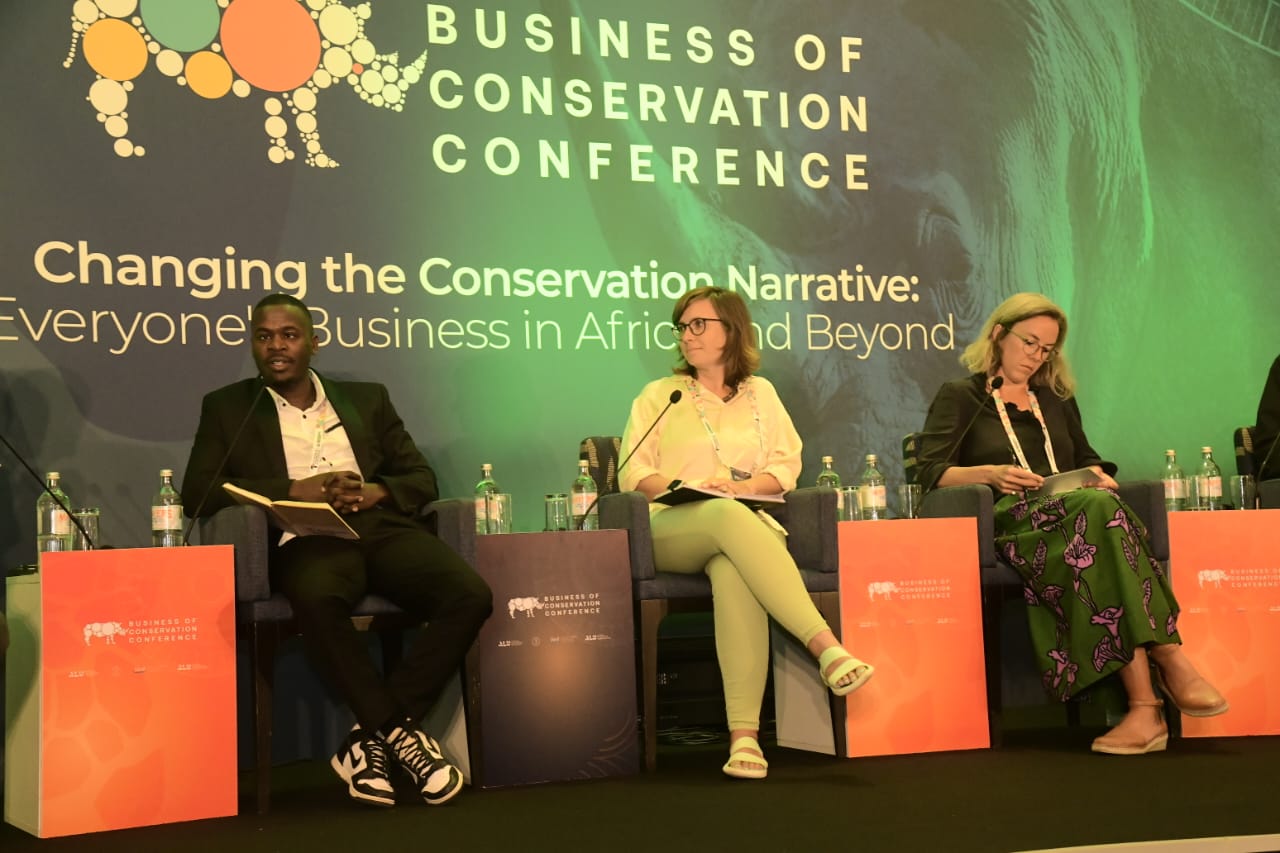
Leaders from government, conservation agencies, academia, and the private sector gathered in Nairobi, Kenya, for a landmark meeting aimed at exploring how conservation can become an economically viable venture across Africa.
The three-day inaugural Business of Conservation Conference brought together policymakers, investors, and environmental experts to examine how protecting nature can generate sustainable economic benefits for communities and national economies.
Africa is home to vast wildlife populations, forests, and ecosystems that underpin tourism, livelihoods, and cultural heritage for millions of people.
Yet these natural assets face growing threats from climate change, habitat loss, illegal wildlife trade, and unsustainable resource use.
Conference participants stressed that the future of conservation lies in transforming governance systems for natural resources.
Stronger policies, effective regulation, and improved governance frameworks are seen as essential for managing ecosystems while attracting responsible investment.
Experts noted that clear and predictable regulations can encourage local and international investors to support conservation-based enterprises such as eco-tourism, carbon markets, and sustainable forestry.
“With good governance, local and international investors will be encouraged to come and invest in the sector,” delegates said during panel discussions.
Such investments could safeguard biodiversity while creating jobs, strengthening local economies, and improving livelihoods for communities living near protected areas.
Uganda, home to approximately 5,000 Common Chimpanzees, showcased its conservation initiatives. Pauline Nantongo, Executive Director of EcoTrust Uganda and leader of the Ugandan delegation, emphasized that successful conservation must include the communities living closest to natural resources.
“The people benefit from the biodiversity, and the financing that comes out of it is a result of inclusiveness,” Nantongo said.
“This is an example that turns a biodiversity challenge into an investment opportunity for both the local community and government without having to displace anyone.”
She added that conservation initiatives must recognize and reward the role local communities already play in protecting ecosystems.
“The people are already investing in managing the forest; they improve biodiversity,” Nantongo said.
Delegates at the conference are expected to explore innovative financing models, policy reforms, and partnerships that could transform Africa’s natural wealth into a driver of sustainable development.
Organizers said the discussions could shape a new approach to conservation, where protecting nature goes hand in hand with economic opportunity and community prosperity.
